
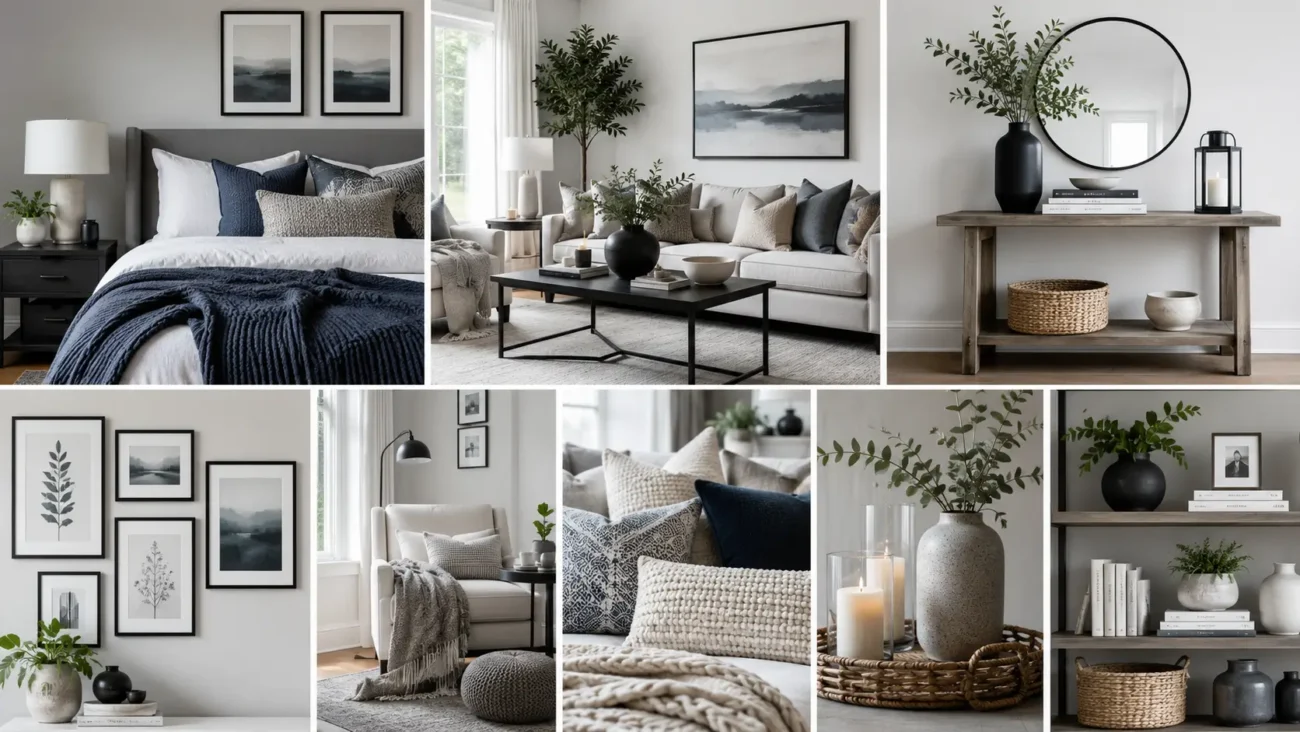
Room decor feels most memorable when it reflects the person living there rather than copying one complete look. A strong room can begin with a favorite coat color, an unusual doorway, one sculptural object, or a collection gathered slowly over time.
The six ideas below explore wardrobe inspired color, architectural door treatments, pedestal displays, painted floorcloths, miniature cabinets, and decorative baseboards for rooms of different sizes and purposes.
Wardrobe Palette Room Decor With Personal Color Logic
A wardrobe palette room begins with clothing and accessories you already enjoy wearing. Favorite colors usually feel comfortable for a reason, which makes them useful starting points for paint, textiles, and accents.
Translate one trusted outfit into a main shade, supporting neutral, metal finish, and pattern.
Anchor the Room With a Favorite Coat Color
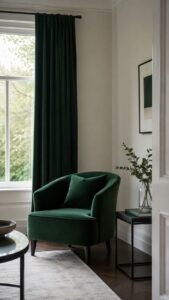
Choose the shade of a coat, jacket, or dress you return to often and use it on one substantial surface. A deep green might suit curtains, while muted coral could work on an accent chair or painted cabinet.
Keep nearby walls quieter so the chosen color feels confident. Repeating it once through a book spine or cushion creates connection without making the room look overly matched.
Translate Jewelry Into Hardware and Light
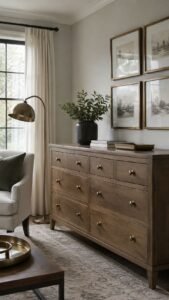
Look at whether you wear silver, warm gold, black metal, or mixed finishes most often, then repeat that preference through lamp arms, drawer pulls, frames, and trays.
A softer aged finish usually blends more naturally with wood, fabric, and personal objects than a highly reflective surface.
Hide a Lining Pattern Inside Storage
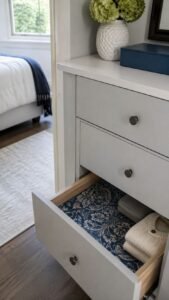
Use a pattern inspired by a scarf, bag lining, or printed blouse inside a cabinet, drawer, or open cubby. Removable paper or fabric makes the detail easier to change.
Keeping the pattern inside storage gives the room a private surprise without covering a full wall. Pull one color from the design into a nearby vase, box, or lampshade for a subtle link.
Painted Door Portal With Architectural Color
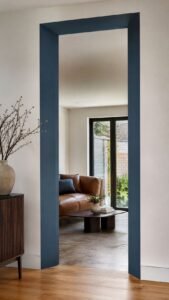
A doorway can become part of the room decor instead of disappearing into the wall. Paint placed around the casing, reveal, and inner edge creates a visual transition between spaces.
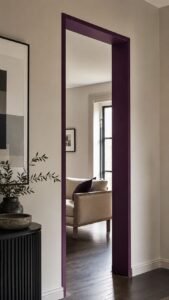
Color the Inner Reveal for Hidden Depth
Paint the narrow surfaces inside the doorway in a saturated color while leaving the surrounding walls calm. The shade becomes visible as people move through the opening and changes according to the viewing angle.
Aubergine beside warm cream feels dramatic, while mineral blue beside pale wood feels quieter. Clean edges are essential because the narrow area will draw attention to every line.
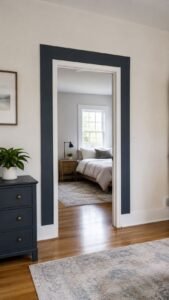
Frame the Casing With a Wider Painted Band
Add a broad rectangular band around the outside of the door casing to make a standard opening feel more substantial. Keep the band equal on both sides and across the top.
A darker tone can give the doorway weight, while a lighter contrasting color can brighten a narrow hall. Repeat the band color on one object inside the room to connect architecture with furniture.
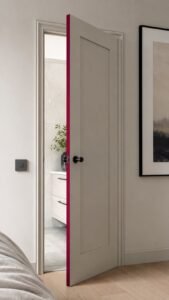
Paint the Door Edge as a Small Surprise
Leave the front of the door neutral and paint only the narrow edge in a vivid or deep shade. The color appears when the door opens and disappears when it closes.
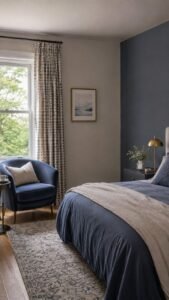
This detail suits rooms where a full painted door would feel too strong. Use a durable finish and allow enough drying time so the painted edge does not stick against the frame.
Plinth Gallery Room Decor With Sculptural Breathing Space
Plinths and pedestals give ordinary objects more presence by separating them from crowded shelves. Choose painted wood, plaster effect finishes, stone, or sealed timber, then leave space around each display.

Give One Object a Tall Pedestal
Place a ceramic vessel, carved form, lamp, or collected object on a tall narrow pedestal in an empty corner. The top should be wide enough for stability without appearing bulky.

Position the piece where side light can reveal its shape. Keeping the surrounding wall bare will make the display feel intentional and prevent the corner from becoming another storage area.
Run a Low Plinth Behind the Sofa
Use a long low platform behind a sofa or beneath a window for a limited arrangement of books, bowls, and one sculptural lamp. The horizontal line can connect separate objects while keeping them away from the coffee table.
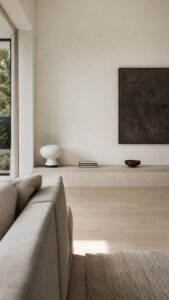
Choose a finish related to the floor or wall so the plinth looks integrated. Leave clear gaps between groups to preserve a calm composition.
Rotate One Seasonal or Personal Object
Reserve one pedestal for a changing object rather than creating a permanent display. A travel find, handmade piece, family heirloom, or newly finished project can take its turn.

Store the previous object before adding the next one. Rotation keeps the room interesting and gives meaningful pieces attention without allowing collections to spread across every surface.
Painted Floorcloth Room Decor With Graphic Order
A floorcloth is a painted canvas surface that can define a room like a rug while offering a flatter profile. It suits dining corners, desks, entries, and areas where thick pile may be inconvenient.
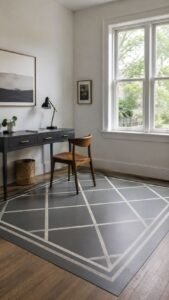
Choose a durable prepared material, use floor appropriate coatings, and seal the finished design carefully so regular movement, furniture, and cleaning do not quickly damage the painted surface.
Paint a Bordered Cloth Beneath the Desk
Create a rectangular floorcloth that extends beyond the desk and chair, then add a wide border around a quiet center. Clay with cream, navy with parchment, or moss with soft pink can give the work zone a clear identity.
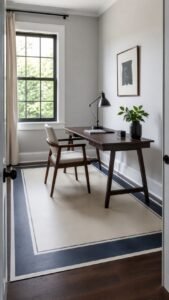
Keep the surface smooth enough for chair movement and protect the floor beneath according to the material instructions.
Build an Oversized Curved Motif
Use one large arc, circle, or sweeping line that continues beyond the floorcloth edges. The cropped placement makes the pattern feel larger and more modern than a centered emblem.
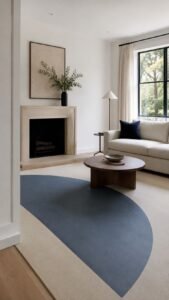
Choose two or three related colors and leave part of the base visible. Position furniture so the motif can still be understood instead of hiding every important curve.
Create a Narrow Threshold Runner
Paint a slim floorcloth for the space between a doorway and the main seating area. Repeating blocks, long stripes, or changing bands can guide the eye into the room.
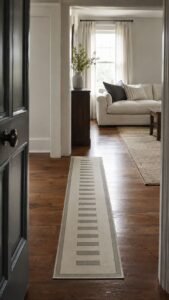
Keep the ends straight and use a secure nonslip backing. A narrow runner introduces pattern without covering a beautiful floor or competing with an existing larger rug.
Miniature Cabinet Wall With Collected Tiny Stories
A shallow cabinet divided into small compartments can turn modest objects into a focused decorative feature.
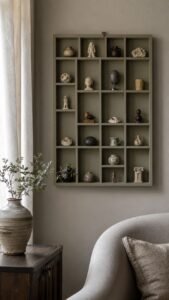
Paint the cabinet and backing as one composition, then edit the contents so each compartment has room to tell its own story.
Place Only One Object in Most Compartments
Give the smallest pieces enough space by placing one object in each cubby and leaving several openings empty. Change the object height and position rather than centering everything.
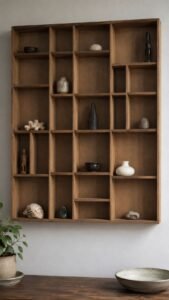
A shell might sit low, while a carved figure stands near one side. Empty compartments create rhythm and prevent the cabinet from looking like uncontrolled storage.
Tint the Backing in Graduated Color
Paint or line the compartment backs in related shades that move gradually from light to dark. Soft coral can deepen toward rust, while pale blue can move toward midnight. Keep the cabinet frame neutral so the color remains contained.
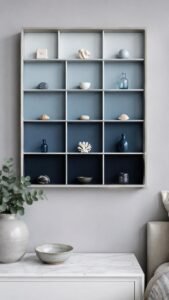
The changing background gives simple objects visual depth and helps the display feel designed as one complete piece.
Add a Slim Sliding Glass Front
Protect delicate objects with a clear sliding glass or acrylic front that keeps dust away without hiding the collection. Use a narrow track and minimal hardware so the compartments remain easy to see.

Position the cabinet away from direct glare and secure it properly to the wall. A small internal light can highlight the display during the evening.
Statement Baseboard Decor With Detail Near the Floor
Baseboards and lower walls are often ignored, yet they can give a room a stronger finished edge.
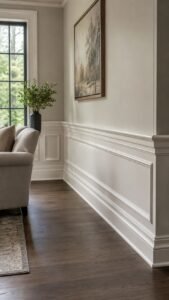
Keep the treatment continuous and avoid loose items where they could interfere with walking or cleaning.
Paint Wide Baseboards in a Grounding Shade
Use a deeper color on wide baseboards while keeping the walls lighter. Walnut brown, dark green, muted navy, or plum can form a strong line around the room and disguise everyday marks more effectively than bright white.
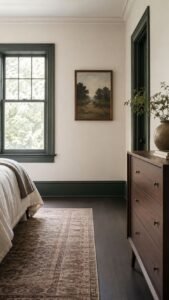
Match the door trim or keep it lighter depending on how much contrast the space needs. A satin finish makes cleaning easier.
Add Decorative Blocks at Important Corners
Place small painted or carved blocks where baseboards meet doorways, built in shelves, or architectural corners. Simple circles, stepped forms, or shallow relief details can make ordinary trim feel custom.
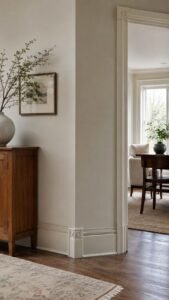
Paint them the same color as the baseboard so shadow provides the decoration. Use the blocks only at selected points to avoid visual clutter.
Hang Tiny Art Just Above the Lower Line
Display a few small framed works unusually low, positioning them above the baseboard beside a chair, cabinet, or reading corner. Keep them away from areas where feet, bags, or furniture may cause damage.
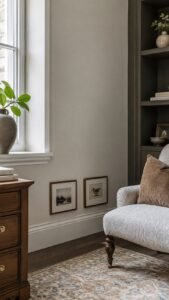
The lower placement creates an intimate discovery and balances tall walls. Use related frames and generous spacing so the group feels intentional.
Let the Room Reveal Your Taste One Detail at a Time
The best room decor does not need to arrive as one matching set. A wardrobe palette brings personal color logic, while a painted doorway gives architecture more character. Plinth displays create breathing room around meaningful objects, floorcloths add graphic structure, and miniature cabinets turn small collections into stories. Statement baseboards finish the room through details that are noticed gradually.
Related inspiration for bedroom decor, living room styling, small room layouts, wall displays, lighting, and storage can help develop the rest of the space. A room feels most original when every choice has a reason and nothing is added simply to fill an empty surface. Let the space develop gradually, allowing useful discoveries and personal objects to earn their place over time.
